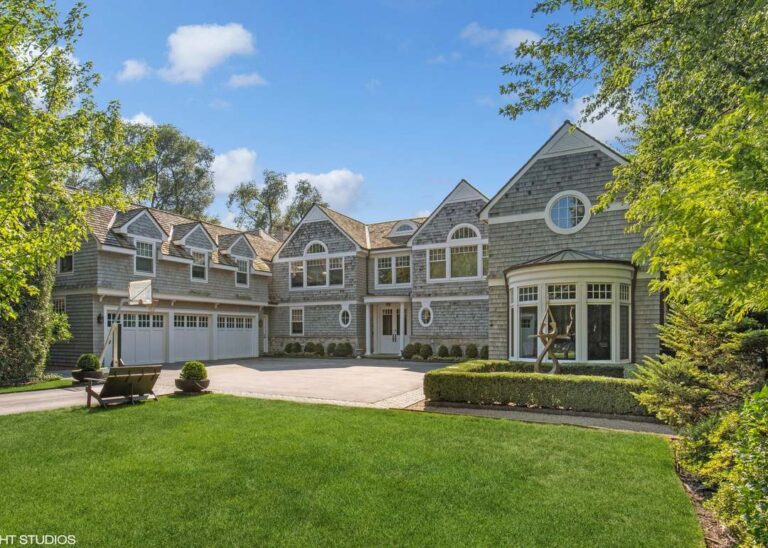
Building Wealth Through Chicago Real Estate: A Long-Term Strategy

Explore how strategic property investments in Chicago and the North Shore can build generational wealth.
Chicago real estate can be a powerful wealth-building engine—not because it’s “easy,” but because long-term investors can combine cash flow + principal paydown + value creation in a major, resilient metro. Add the North Shore to the mix, and you get another dimension: scarcity, school-driven demand, and long-term livability that supports premium pricing over time.
If you’re thinking generationally (10+ years), the playbook is less about timing the market and more about buying the right assets, structuring the deal correctly, and operating the property like a business.
The 4 Wealth Levers in Real Estate
What actually creates generational wealth.
Most long-term success comes from stacking these levers—not hoping for one miracle win:
- Cash Flow
The property pays you to hold it (or at least pays most of the hold). Stronger when rents are positioned correctly and expenses are actively managed. - Amortization
Tenants effectively help pay down your loan balance over time. This is one of the most underrated “forced savings” mechanisms in personal finance. - Appreciation (Long-Term)
Over long time horizons, quality locations tend to compound—especially when supply is constrained and demand remains durable. - Value Creation
Renovations, repositioning, improved management, or optimizing the unit mix can increase income and reduce risk—often the most controllable lever.
Why Chicago + the North Shore Can Work for Long-Term Investors
Think in micro-markets, not headlines.
A smart Chicago/North Shore strategy blends city fundamentals (jobs, transit, rental demand, neighborhood cycles) with suburban scarcity (limited land, high-demand school districts, and “sticky” homeowner bases).
What matters most isn’t “Chicago is up/down.” It’s the micro-realities:
- Neighborhood-by-neighborhood demand
- Property taxes and long-term expense discipline
- Rentability (or resale appeal) of the exact asset
- Block/building quality and floor plan utility (especially for condos)
Pick the Right Investment Lane for Your Goals
Different assets create wealth in different ways.
Lane A: Lifestyle + Wealth (North Shore Single-Family)
Best for: Buyers who want to live well now and still make a disciplined long-term decision.
Wealth driver: scarcity + long hold + smart improvements
Rule: Buy the location and lot first, then the house.
Lane B: City Appreciation + Flexibility (Chicago Single-Family / Townhomes)
Best for: Long-term owners who want upside plus strong personal utility.
Wealth driver: neighborhood trajectory + improvements + optional rental exit
Lane C: Cash-Flow First (2–4 Unit Buildings)
Best for: Investors who want income + control and the ability to “force” returns through management and value-add.
Wealth driver: rent positioning, unit turns, expense discipline, light rehab strategy
Lane D: Condo Investing (Selectively)
Best for: Specific situations—exceptional buildings, exceptional unit desirability, and clean financials.
Wealth driver: building health (reserves/maintenance) + predictable liquidity
Underwrite Like an Operator (Not a Shopper)
Run the property like a business on paper before you run it in real life.
That means:
- Model taxes, insurance, HOA (if any), maintenance, and vacancy realistically
- Assume capital expenditures (roof, HVAC, tuckpointing, windows, parking, etc.)
- Stress-test for higher costs and slower rent growth
- Keep reserves—especially for older Chicago buildings and condo associations
A deal that “barely works” on day one becomes stressful the second anything breaks.
Value-Add That Doesn’t Ruin Your Life
The best wins are often boring—and repeatable.
High-impact upgrades tend to be:
- Paint, lighting, floors
- Kitchens and baths (right-sized to the price band)
- Better unit mix (where applicable)
- Operational cleanup: leases, utilities, billing, service contracts
The goal isn’t to build your dream renovation. The goal is to create rent premium + buyer premium without turning the project into a second job.
Financing: Use Leverage, But Don’t Let It Use You
Leverage accelerates wealth when it’s disciplined. It destroys wealth when it’s fragile.
A strong approach:
- Keep payment comfort with conservative assumptions
- Understand refinance scenarios (and don’t require one to survive)
- Maintain liquidity reserves after closing
- Avoid max leverage if it forces bad decisions later
If you’re investing for 10+ years, stability matters more than winning a spreadsheet contest.
The Long-Term Wealth Roadmap
A simple strategy that compounds over time.
Years 1–2: Acquire Right + Stabilize
- Buy the asset with durable demand
- Fix obvious issues, stabilize leases, build reserves
Years 3–5: Optimize
- Value-add in phases
- Push rent to market (ethically + legally)
- Tighten expenses and maintenance cadence
Years 6–10: Compound
- Refinance only if it improves stability or strategy
- Consider rolling equity into the next asset when timing and math align
- Keep your portfolio rules consistent (location, asset quality, downside protection)
Common Mistakes That Quietly Kill Returns
These don’t feel dramatic—until they compound.
- Over-renovating relative to neighborhood price ceilings
- Underestimating taxes/assessments/insurance
- Buying “unique” condos with weak liquidity
- Ignoring building financials (especially reserves and deferred maintenance)
- Treating tenant and property management as an afterthought
Optional: Add Video to This Blog
Easy ways to increase engagement and time-on-page.
Video idea 1 (45–60 seconds): The 4 wealth levers
Hook: “Real estate wealth isn’t magic—there are four levers. Here’s how Chicago investors stack them.”
Video idea 2 (60–90 seconds): Chicago vs. North Shore—two different wealth plays
Scarcity/lifestyle vs. cash-flow/value-add.
Video idea 3 (30–45 seconds): My underwriting checklist before we write an offer
Taxes, insurance, reserves, capex, vacancy, exit plan.
CONNECT WITH ME
Follow along for market insights, new listings, and luxury buying strategy:
Instagram: https://www.instagram.com/harrymaiselrealestate/
LinkedIn: https://www.linkedin.com/in/harry-maisel-645a5b2a1/
Facebook: https://www.facebook.com/hmaisel