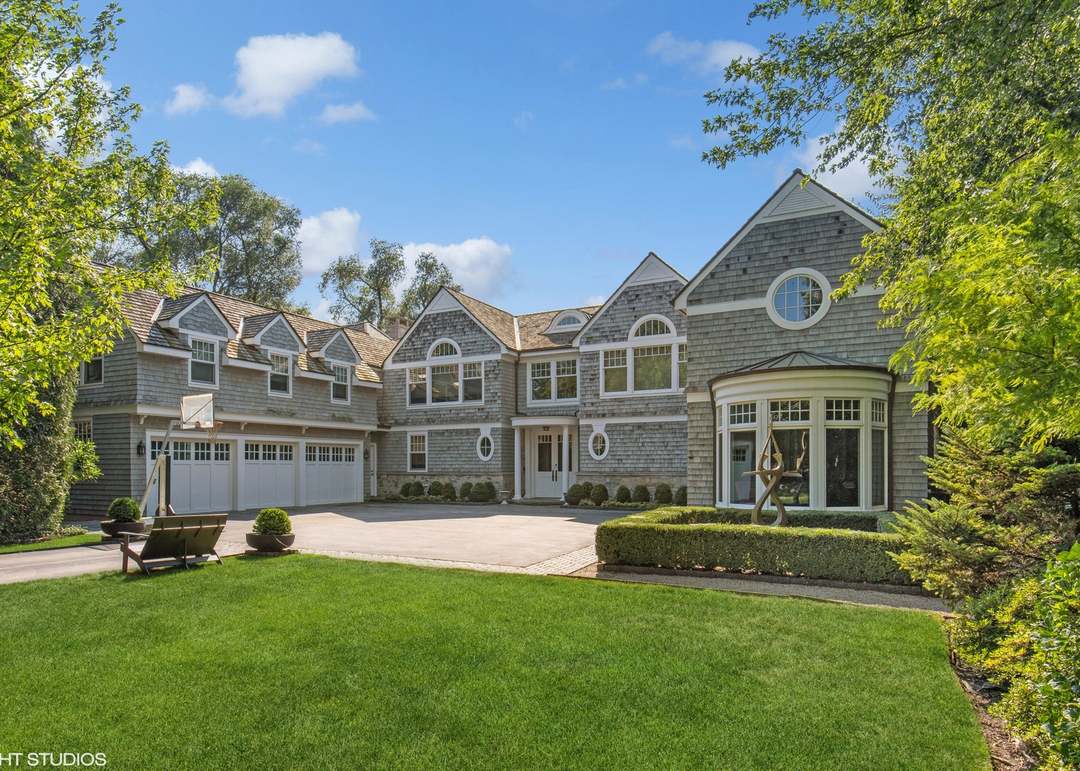
Luxury Real Estate Purchase

First-Time Luxury Buyer? Here’s What You Need to Know
Navigate the high-end market with confidence. Our comprehensive guide covers everything from financing to negotiations.
Hero image source: Unsplash.
Luxury real estate is a different sport. The homes are distinctive, the pricing is less “cookie-cutter,” the seller expectations can be more nuanced, and the path to closing often involves more stakeholders (lenders, attorneys, inspectors, designers, and sometimes boards). If you’re buying in the high-end market for the first time, the goal is simple: reduce uncertainty and increase leverage—financially, contractually, and strategically.
What “Luxury” Changes (Beyond the Price Tag)
In many markets, luxury homes differ in ways that affect how you buy—not just what you buy:
- Fewer perfect comps: Unique architecture, lot value, views, privacy, and finishes can make “apples-to-apples” comparisons rare.
- Higher due diligence load: More systems (smart home, advanced HVAC, pools, elevators, specialty roofs) mean more to inspect.
- Seller profile & motivation vary: Some sellers care most about price; others care about certainty, discretion, timing, and buyer strength.
- Contract terms matter more: Earnest money, contingencies, proof of funds, and closing flexibility can outweigh a slightly higher offer.
Step 1: Get Crystal-Clear on Your Lifestyle Priorities
Luxury homes can be wildly different even at the same price point. Start by defining your “non-negotiables”:
Must-haves
- Location + micro-location (walkability, school boundaries, privacy, lake access, doorman, etc.)
- Floor plan style (open concept vs. defined rooms; primary suite placement)
- Outdoor component (yard size, pool, rooftop, terrace, view corridor)
- Parking + storage expectations
Deal-breakers
- Major road noise / flight path
- Low ceiling heights, limited natural light
- Layout constraints you won’t remodel around
- High carrying costs (taxes/HOAs) beyond your comfort level
Pro tip: Decide early what you’ll pay a premium for—views, land, privacy, or turnkey condition—because you usually don’t get “all four” without a meaningful jump in price.
Step 2: Upgrade Your Financing Game (Even If You’re Paying Cash)
In luxury, “qualified” isn’t the same as “ready.” You want to be positioned to move quickly and credibly.
If you’re financing
- Get fully underwritten when possible: Pre-approval is good; underwriting upfront is better.
- Expect jumbo loan nuance: Reserve requirements, documentation depth, and appraisal standards can be tighter.
- Know your flexibility options: Adjustable-rate jumbo, portfolio products, asset-based lending, and bridge scenarios may be relevant depending on your balance sheet and timeline.
- Plan for an appraisal gap: Unique homes can appraise below contract price. Decide now how you’d handle that.
If you’re paying cash
- Still prepare proof of funds and a clean “source of funds” narrative for escrow wires.
- Consider whether a cash offer + later refinance fits your strategy (depending on rates, liquidity goals, and opportunity cost).
Step 3: Build Your “A-Team” Before You Tour Serious Homes
High-end purchases move faster when your team is already aligned.
- Luxury-savvy agent: Access, discretion, valuation strategy, and negotiation leverage
- Strong lender (if financing): Responsive, experienced with jumbo/complex income, can close on time
- Real estate attorney: Especially important in higher-stakes negotiations and complex disclosures
- Specialized inspectors: General + roof, sewer scope, HVAC, pool, elevator, smart home as needed
- Insurance advisor: Some properties require specialty coverage (coastal, high-value contents, older construction)
- Tax/wealth advisor: Helps evaluate property taxes, trust ownership, and longer-term planning
Step 4: Search Smarter—Not Just Harder
Luxury inventory can be fragmented: MLS, private networks, whisper listings, and “coming soon” opportunities.
A smart approach includes:
- Clear buy-box criteria (so your agent can match off-market options quickly)
- A “go/no-go” renovation threshold (cosmetic refresh vs. true construction)
- Discretion strategy (if privacy matters—showings, communications, and timing)
Step 5: Due Diligence That Matches the Asset
Luxury homes often look flawless on day one—until you check the systems and records.
Property-level checks
- Roof type/age, drainage/grading, foundation indicators
- HVAC zones, boiler/chiller, radiant heat, backup generators
- Windows/doors quality, water intrusion signs, insulation performance
- Smart home infrastructure (what’s integrated vs. what’s cosmetic)
- Sewer scope (in many markets, this is a must)
Paperwork checks
- Permits and renovations history (verify what was done correctly)
- Survey, easements, encroachments, and boundary issues
- If condo/co-op: financials, reserves, litigation, rules, and board process
Step 6: Negotiations in Luxury Are Often About Certainty
In a premium sale, sellers may optimize for:
- Clean terms (fewer contingencies)
- Reliable closing (strong lender or cash)
- Timing (rent-back, delayed possession, or quick close)
- Discretion (privacy, limited showings, controlled messaging)
Ways to strengthen an offer without overpaying:
- Larger earnest money (with sensible protections)
- Shorter contingency windows (when due diligence is properly planned)
- Flexible closing date or occupancy
- Clean escalation strategy only when it’s appropriate
- Proof of funds + lender call + track record of performance
Step 7: Closing and Post-Close—Plan Like an Owner, Not a Shopper
Luxury ownership is smoother when you plan your first 90 days:
- Transfer utilities + smart home accounts (often overlooked)
- Schedule immediate “baseline servicing” (HVAC, filters, water heater, security)
- Set a maintenance calendar and preferred vendor list
- If it’s a second home: consider property management and security protocols
Common First-Time Luxury Buyer Mistakes
- Falling in love before verifying fundamentals (location, lot, noise, condition, carrying costs)
- Assuming list price reflects market value (it may reflect “try it and see” pricing)
- Underestimating appraisal and insurance friction
- Not being ready to act when the right home appears
- Negotiating only on price instead of using terms to create leverage
Luxury Buyer Quick Checklist
- Clear priorities + non-negotiables
- Underwritten pre-approval (or proof of funds ready)
- Earnest money/wire plan confirmed
- Inspection team on standby
- Appraisal-gap strategy decided
- Insurance conversation started early
- Offer terms mapped to what the seller values
CONNECT WITH ME
Follow along for market insights, new listings, and luxury buying strategy:
Instagram: https://www.instagram.com/harrymaiselrealestate/
LinkedIn: https://www.linkedin.com/in/harry-maisel-645a5b2a1/
Facebook: https://www.facebook.com/hmaisel